New Puppy: The Records to Start Immediately
The first week is chaos, and it is also when every document you will need for fifteen years arrives at once. What to capture before it disappears.
By Tony Dalton · Updated
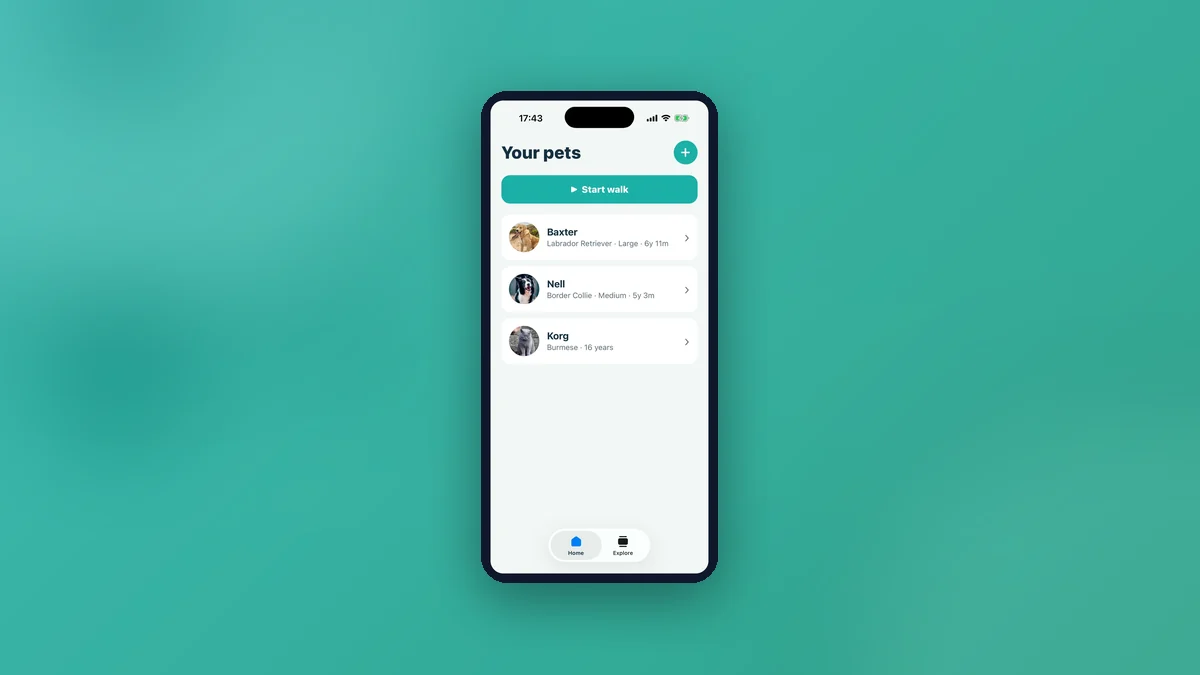
Everything you will need for the next fifteen years arrives in the first fortnight, in a plastic wallet, during the least organised week of your life. Photograph all of it before it goes in a drawer. That single habit prevents most of the record problems people spend years dealing with afterwards.
What arrives, and where it goes
- Microchip certificate — the number, the database, and whether the registration has actually been transferred to you.
- Vaccination card — dates, products, batch stickers.
- Purchase or adoption paperwork.
- Pedigree or KC registration, if there is one.
- Any breeder or rescue notes — worming already done, current food, birth date.
- Insurance schedule, if cover has started.
CorePaw's documents vault files these by category with an optional date and notes; you can snap them with the camera or attach a PDF. On the free tier the details sync and the file stays on the device that added it; with CorePaw Cloud the file itself uploads so the rest of the household can open it.
The microchip transfer, specifically
This is the one that gets missed. A puppy's chip is normally registered to the breeder or rescue, and the transfer to you is a separate step that does not happen automatically. Until it completes, a lost puppy leads a finder back to the breeder.
CorePaw records registration status explicitly — registered, not registered, transfer pending, unknown — precisely because "in progress" is a real state that lasts weeks. It also holds the number, database, implant date, manufacturer and implanting clinic, plus a photo of the certificate, and can anchor a yearly reminder to verify your details are still correct.
Start the weight chart on day one
Puppy weight changes fast and never again produces such an interesting chart. Weigh regularly while it is easy — kitchen scales work for small puppies, and later the weigh-yourself-holding-them method. Measurements chart weight, height, length, neck, chest or a custom metric, with change since the first reading.
Growth rate and target weights are a conversation for your vet, not a chart to interpret alone. What the chart gives you is something real to show them.
Record the boring daily things too
The daily care log — one-tap feed, water, med, toilet and note, with toilet detail including a consistency scale — is genuinely useful in the first weeks, when house-training progress and tummy upsets are the whole of your life. Every entry records who did it, which matters when a household is sharing a puppy who wakes at 3am.
Set the passport up properly, once
Name, breed, size class, sex, neuter status, date of birth with an estimated flag if you are guessing, colour, distinguishing marks, living environment, vet practice and phone. It takes ten minutes and it is the thing a sitter, a kennel or a locum vet reads. The passport also carries insurance and microchip details.
Add any known allergies as you learn them — they sit right under the passport with severe ones flagged in red, and appear prominently in the vet summary.
And photographs
Puppies stop being puppies quickly. The gallery keeps a per-pet album, and photos taken on a walk attach to that walk. This is the least practical advice here and the one you will be most glad of.
General information about record-keeping, not veterinary advice.
Related articles
Keep your pet's whole record in CorePaw.
Passport, microchip, vaccinations, medications, walks and weight — working offline and shared with your household. Free for your first pet, on iPhone and Android.